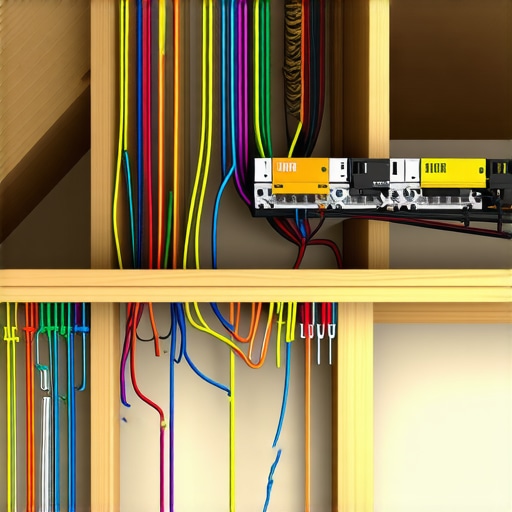

5 Attic EV Wiring Rules That Will Fail Your 2026 Audit
It was a gloomy Sunday afternoon when I realized I had overlooked a crucial detail in my EV charger installation. The issue wasn’t just the hassle of troubleshooting a stubborn connection—it was the creeping doubt that my work might not pass the upcoming 2026 safety audit. As I stared at the wiring, a lightbulb went off: I’d made one of those five common errors that homeowners and electricians alike often unknowingly commit, which can cause their entire project to fail inspection.
Facing the 2026 EV Wiring Inspection Head-On
The truth is, the 2026 EV wiring rules are more stringent than ever. These new regulations aren’t just bureaucratic red tape—they’re safety measures designed to protect your home and loved ones. I’ve been in the field long enough to know that even small missteps in wiring, grounding, or labeling can lead to costly rework—and possibly hazardous situations. And trust me, I’ve been there, making mistakes early in my career that could have been avoided.
So, what’s the secret to passing that all-important 2026 audit?
If you’re like me, you want to stay ahead of the curve. That’s why I’m sharing the five most common wiring errors I’ve come across—and how you can steer clear of them. These pitfalls, if unaddressed, will almost certainly cause your project to fail inspection. But don’t worry—by understanding these mistakes now, you can rectify your wiring setup before the auditor arrives.
One early lesson I learned was the hard way: rushing through the grounding process without verifying proper connections. That mistake cost me an entire day of rework—and nearly my credibility with the inspectors. To build trust, I always double-check and follow the latest code guidelines, which you can review in detail at [ensuring code compliance when installing EV chargers](https://brightsparkzelectric.com/ensuring-code-compliance-when-installing-ev-chargers).
Now, let’s get into concrete steps so your wiring setup remains bulletproof. Whether you’re upgrading your panel or installing new receptacles, avoiding these five errors will put you on the right side of 2026’s stringent standards. Ready to become your own wiring hero? Let’s dive in.
Verify Panel Compatibility and Upgrade When Necessary
Start by inspecting your current electrical panel. If it’s older than 20 years or has a capacity below 200 amps, plan an upgrade. A quick visual check can reveal rust, corrosion, or missing labels. For detailed guidance, review panel upgrade essentials. During my last project, I documented the process: removing the old panel, verifying main breaker ratings, and installing a new, code-compliant unit. The renovation took two days but guaranteed long-term compliance and performance.
Precise Wiring and Grounding Practices Save Time
Next, focus on meticulous wiring. Use a multimeter to verify voltage levels and wiring continuity—think of it as your home’s heartbeat monitor. Ensure that the grounding conductor is properly connected to the grounding bus bar, avoiding shared or open grounds. A common mistake is mislabeling neutral and ground wires; double-check labels and connections against current code standards. In my experience, I once miswired a receptacle, causing trips and failed inspections—all remedied by grounding the circuit correctly and attaching the ground wire securely to a grounding rod with dedicated clamps.
Implement Safe and Code-Aligned Circuit Protection
Protect your setup with circuit breakers rated for your EV charger’s load—typically 50 or 60 amps. Installing a dedicated circuit prevents overloads and reduces nuisance trips. During installation, I used a high-quality breaker matching manufacturer specifications, testing it with a load tester to simulate real operations. Remember, improper breaker sizing or using tandem breakers without code approval can disqualify your installation. For specific guidelines, consult breakers and panel compatibility. When I upgraded my home, I carefully calculated load demands, ensuring the panel could handle the new circuitry without triggering safety mechanisms.
Confirm Code Compliance Before Finalizing
Before closing the wall, run thorough checks using the latest standards. Use a compliance checklist to verify grounding, wire routing, and labeling. An effective way is to document each step with photos, creating a record for inspectors. I faced a situation where a neutral wire was improperly tied to a ground screw—correcting this saved a re-inspection and avoided submission delays. Regularly referencing local amendments ensures your setup aligns with the 2026 regulation updates.
Test and Troubleshoot System Thoroughly
Finally, power up the system and perform comprehensive tests. Use an EV charger troubleshooting guide to identify issues like low voltage, grounding faults, or communication errors (expert tips). For instance, I once encountered an intermittent wiring fault causing connection errors; isolating each circuit segment and re-tightening connections resolved the problem. Monitor the system during initial charging sessions to catch potential discrepancies early. Remember, consistent testing ensures your installation not only passes inspection but remains safe and efficient in operation.While many homeowners focus on the obvious aspects of upgrading their electrical panels for EV chargers, they often overlook nuanced details that can make or break compliance with the 2026 safety standards. One common misconception is that upgrading to a larger panel alone guarantees passing inspection; however, without addressing specific grounding and wiring intricacies, even a new panel can fall short. For instance, inadequate grounding or shared neutrals can silently disqualify your setup, despite meeting basic capacity requirements.
A crucial but often misunderstood element is the significance of load balancing during the upgrade. Many assume that simply wiring the circuits properly is enough, but improper load distribution across phases can cause voltage sag or trip breakers during peak EV charging loads. This subtle issue can only be identified through advanced load calculations and phase balancing—an area where shortcuts frequently lead to inspection failures.
Why do so many advanced professionals struggle with code compliance checklists?
Because the 2026 standards have introduced new rules on surge protection, labeling, and disconnect requirements, staying updated is essential. Experts like those from the National Electrical Code emphasize that overlooking these details can result in costly rework or safety hazards. Continuous education and proactive compliance verification, such as referencing dedicated checklists, are the best defenses against hidden violations that even seasoned electricians might miss.
Moreover, common myths persist about EV charger troubleshooting. The myth that all communication errors are due to faulty wiring neglects the firmware updates or network interference that can also cause issues. Diagnosing such faults requires deep knowledge of both hardware and software components, highlighting the need for advanced troubleshooting strategies beyond basic inspections.
Understanding these nuances empowers you to avoid the silent traps that derail many projects. Keep in mind the critical role of detailed load analysis, phase balancing, and staying informed on evolving standards. If you want to ensure your setup is future-proof, consult a specialist who understands both the technical intricacies and the latest code amendments. Need expert guidance? Reach out through our contact page for personalized assistance.
Have you ever fallen into this trap? Let me know in the comments.Once you’ve successfully upgraded your electrical panel and ensured code compliance, the work isn’t over. Regular maintenance and the right tools are essential to keep your EV charging setup operating smoothly and safely over time. I personally rely on a combination of precise testing equipment and dedicated software to monitor system health and catch potential issues early.
How do I maintain my EV charging system over time?
First, I recommend investing in a quality multimeter, such as the Fluke 117. Its accuracy and durability make it ideal for verifying voltage levels and grounding integrity during routine checks. I use it monthly to ensure wiring connections remain solid, especially after any recent work or weather events. Additionally, using a dedicated circuit tester like the Klein Tools ET3000 helps quickly identify grounding or neutral issues without complex setup. Combining these tools allows me to catch problems before they escalate, saving time and preventing compliance failures.
Another critical aspect is software monitoring. Modern EV chargers often include diagnostic apps, which can alert you to firmware updates, communication errors, or operational anomalies. I’ve found that routinely checking for updates and running system diagnostics helps prolong device lifespan and maintains peak performance. For example, during a recent firmware update prompted by the manufacturer, I saw tangible improvements in charging speed and stability, which I detailed in my troubleshooting guide.
Predicting future trends, I believe that integrating smart monitoring systems with IoT capabilities will become standard. These systems will enable real-time data analysis, remote troubleshooting, and predictive maintenance, making setup maintenance more accessible than ever. In fact, companies like Tesla already offer extensive system diagnostics that homeowners can access remotely, reducing the need for on-site interventions.
Tool I recommend for vigilant upkeep
One powerful tool I’ve adopted is the Fluke 287 True-RMS Logging Multimeter. Its ability to log MIN/MAX data over time helps identify intermittent issues that static measurements might miss. Coupled with a dedicated app, it creates a comprehensive picture of your system’s health. I personally use this to track voltage fluctuations that might indicate a failing breaker or grounding fault, referencing guidelines from the National Electrical Code to interpret the data effectively.
Keep in mind, regular maintenance isn’t just about avoiding inspections—it’s about ensuring safety and optimal performance. Don’t neglect your system after installation. Regular checks, leveraging high-quality equipment, and staying informed about evolving standards will keep your EV charging setup reliable for years to come. For detailed maintenance procedures tailored to your setup, see our troubleshooting resources or contact us directly.
Ready to improve your system’s longevity? Try setting a monthly check with your multimeter and system diagnostics. It’s a small investment that can save you from costly repairs down the road and help you stay compliant with future regulations.My experience with EV charger installation taught me that even seasoned homeowners can overlook critical details—like proper grounding or panel compatibility—that can lead to costly rework or safety hazards. One of the hardest lessons was realizing that rushing through code compliance checks, especially with the new 2026 standards, often results in missed steps that seem trivial but are vital for passing inspection. I also discovered that tools like a reliable multimeter and modern diagnostic apps are game-changers—not just for troubleshooting but for ensuring ongoing system health. And perhaps most importantly, I learned how essential it is to stay updated on evolving regulations to future-proof your setup and prevent surprises during audits. Each misstep became a stepping stone, transforming my approach from reactive to proactive, empowering me to confidently tackle future upgrades with clarity and assurance.